Financial Controls for Payroll: A CFO's Guide to FWO Compliance
Is your payroll a financial risk? Learn how to implement robust financial controls for payroll to ensure FWO compliance and achieve total audit readiness.
TL;DR: For finance executives, payroll has historically been a "black box" — operating without the robust financial controls and proof of work expected of other business functions. Now that the Fair Work Ombudsman (FWO) is targeting inadequate record-keeping and new criminal wage theft laws are in effect, "making do" with informal payroll operations is a high-stakes gamble.
Why the FWO is targeting your record-keeping
The Fair Work Ombudsman has significantly raised the stakes for Australian organisations. They are no longer just looking for the occasional calculation error; they are specifically targeting inadequate record-keeping and a lack of governance and controls.
The message from the FWO is clear: employee pay is a board-level priority. Relying on manual processes leaves your organisation vulnerable to:
Paytools: implementing financial controls for payroll
The root of the problem isn't your team; it's their tools. Payroll has historically lacked a dedicated platform for managing the operation itself, forcing teams to create disconnected "shadow systems" in Excel and Outlook that lack any real financial controls.
By investing in a payroll operations platform like Paytools, you're implementing a professional governance framework for payroll. This allows you to:
Upgrading your operational maturity
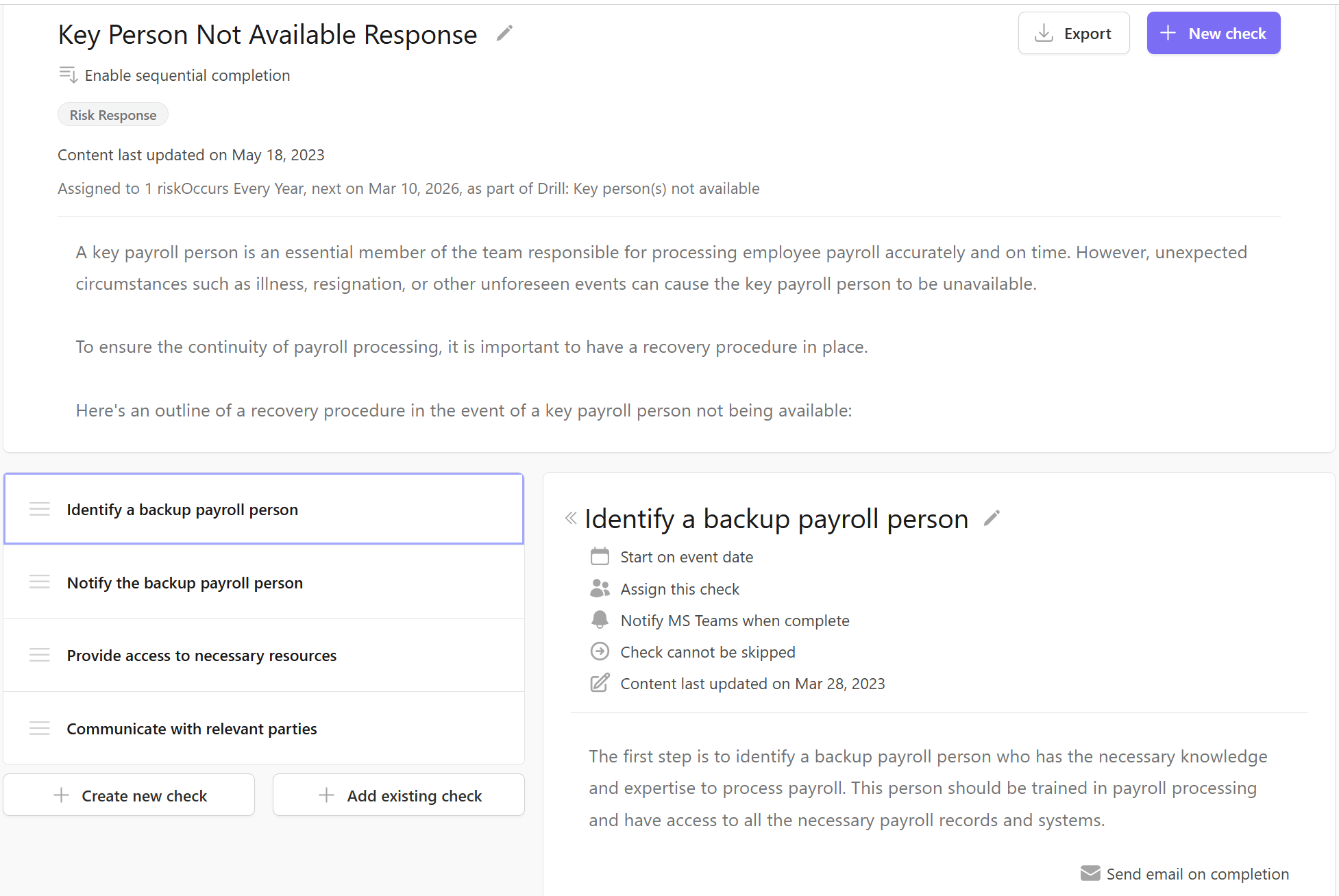
Moving payroll to a purpose-built platform fundamentally strengthens your financial controls for payroll:
The ROI of modern payroll controls
This isn't just theory. Organisations like Avivo Healthcare have seen a 10x improvement in their governance practices after modernising their operations.
For Cerebral Palsy Alliance, they now have full transparency of payroll operations, obligations, issues and risks. Their onboarding time for new payroll staff was also reduced from six months to just one, drastically improving "key person" dependency and operational risk.
See more Paytools customer stories here.
Take another step toward better governance
Is your current payroll operations "FWO-ready"? Don't wait for an audit to find out.
Discover some quick wins in terms of financial controls for payroll by downloading the Australian Payroll Governance Toolkit. This comprehensive whitepaper provides practical ideas to help you manage processes, approvals and audits with ease.